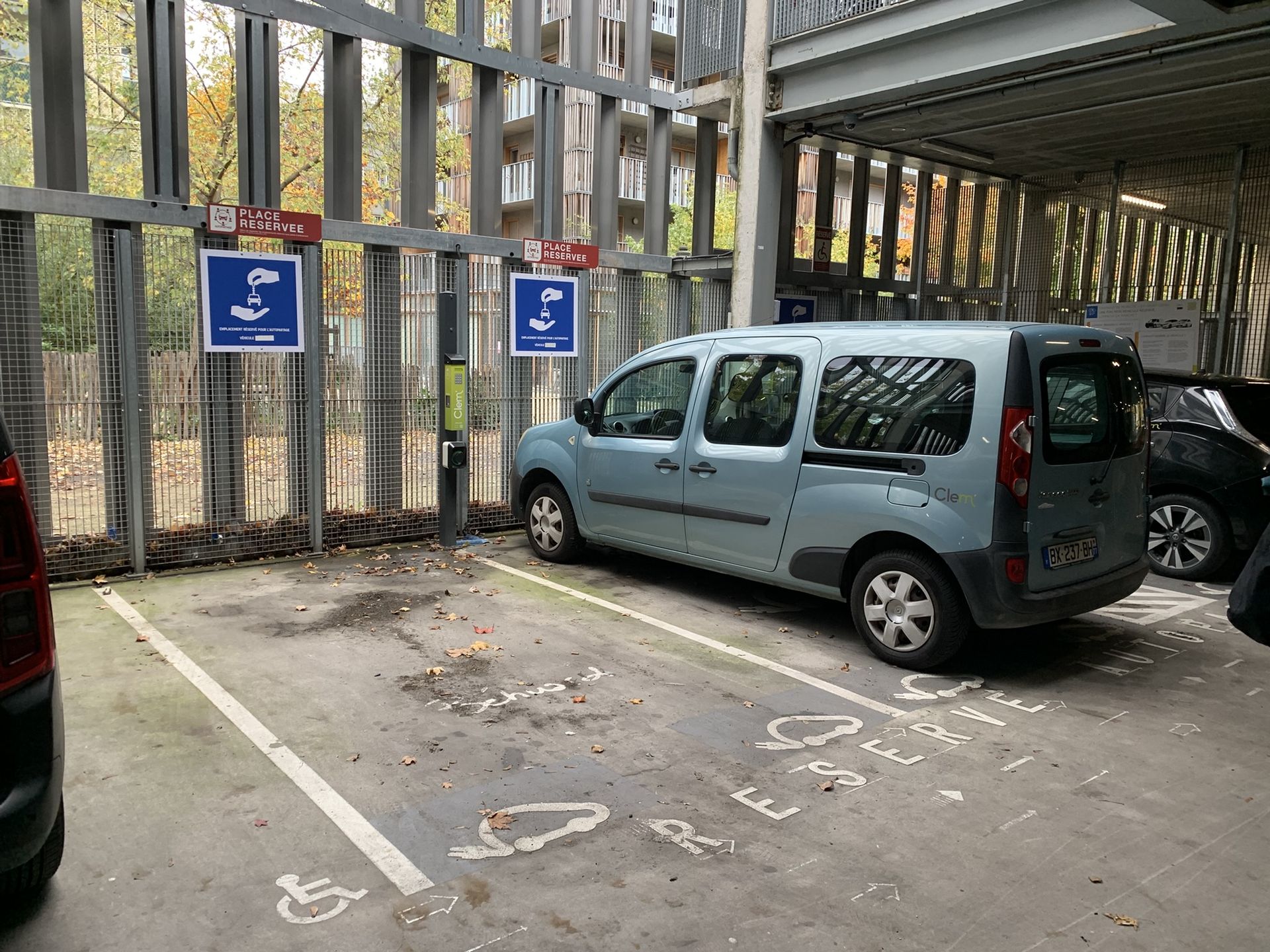
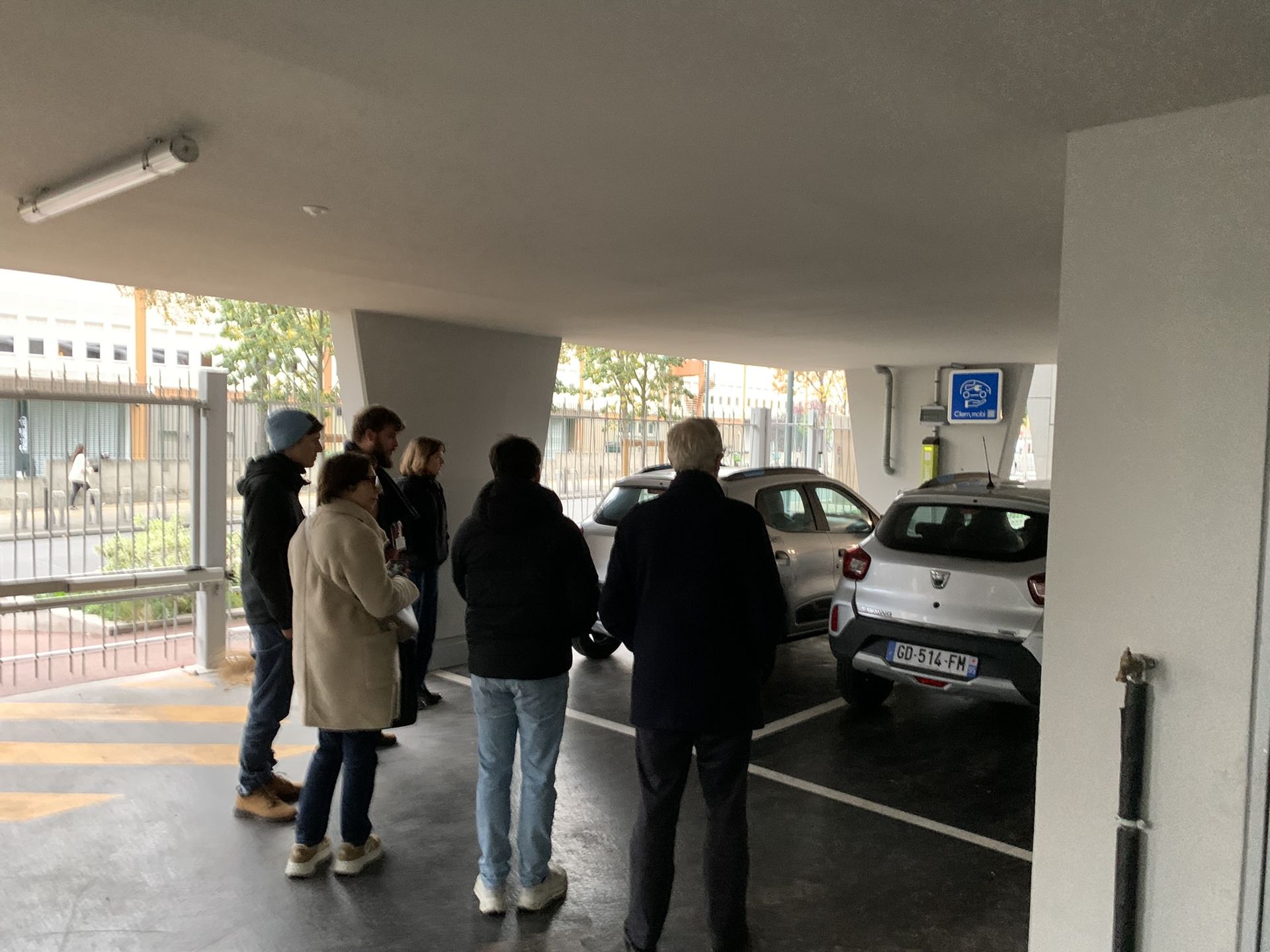
On November 7, STEER-NWE Partners Greater Paris Metropolis (MGP) and Institut Paris Region (IPR) organised a site visit and Q&A session with CLEM’, the carsharing operator and one of our project’s Associated Organisations, to discuss sustainable mobility solutions and ongoing projects. The session, which took place in l’Ile Saint Denis and Clichy, two cities part of the MGP and adjacent to Paris, included a tour of two CLEM’ carsharing stations and an insightful exchange between MGP and IPR representatives with the CLEM’ team, led by CEO and Founder Bruno Flinois, along with Simon Jacquet, who oversees the Ile-de-France region and international projects.
Exploring CLEM's residential carsharing projects
CLEM’s approach to residential carsharing, referred to as "habitat," emphasises sustainability and co-creation with residents. Simon Jacquet highlighted the Molenbeek project, one of CLEM’s two main projects in Brussels, which is part of the Brussels Green Deal initiative and was showcased locally as part of the STEER-NWW Kick-off meeting early this year. This innovative project is now transitioning into a more self-sustaining model, where residents take on additional responsibilities to lower operational costs. The transition follows a two-year pilot phase funded by the developer, with feedback provided by “ambassador residents” who are key players in refining the program.
“These ambassadors are vital to the success of our projects. Their feedback and engagement help us shape the way we operate,” said Jacquet, emphasising the importance of community-driven development in carsharing programs.
Challenges and solutions in residential carsharing
During the meeting, participants discussed some of the challenges facing residential carsharing models, particularly the instability of household units. When residents move out, they may take their carsharing habits with them, affecting overall usage rates. To address this, a possible solution is to opening carsharing programs to the wider public, beyond the building's residents, and integrating them into larger peer-to-peer sharing networks.
The site visit took the group to two key CLEM’ stations:
- Site 1: a mobility hub in a public multi-storey car park, called Centrale des Mobilités, L'Île-Saint-Denis
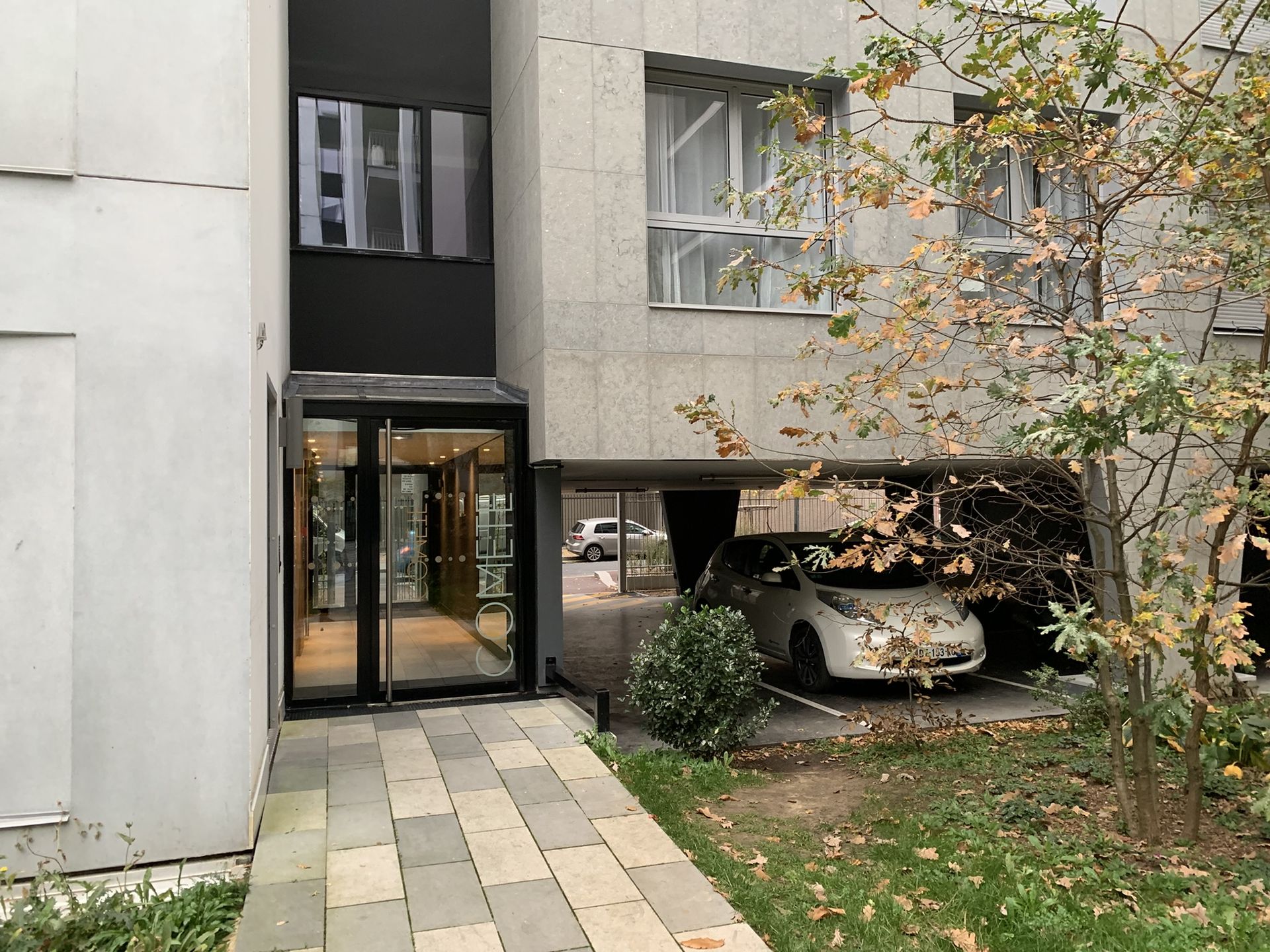
- Site 2: a private housing complex with an e-carsharing program in a new urban development zone, L’Instant, Ecoquartier du Bac, Clichy
At Site 2, located in the L’Instant project, CLEM’ demonstrated their charging infrastructure, which includes electric gates and dedicated charging points at every parking spot.
CLEM’s collaboration with developer OGIC for this site highlights the synergies between real estate developers and carsharing operators. These collaborations aim to reduce the need for traditional parking spaces and integrate sustainable mobility solutions into new developments.
Looking ahead: sustainability and the future of urban mobility
According to studies showcased by STEER-NWE partner Way to Go, each carsharing vehicle can replace up to 9 private cars, contributing significantly to reducing congestion and urban sprawl.
The future of carsharing, according to CLEM’, lies in a flexible, integrated model that combines public access, sustainability, and innovation.